01X-Ring
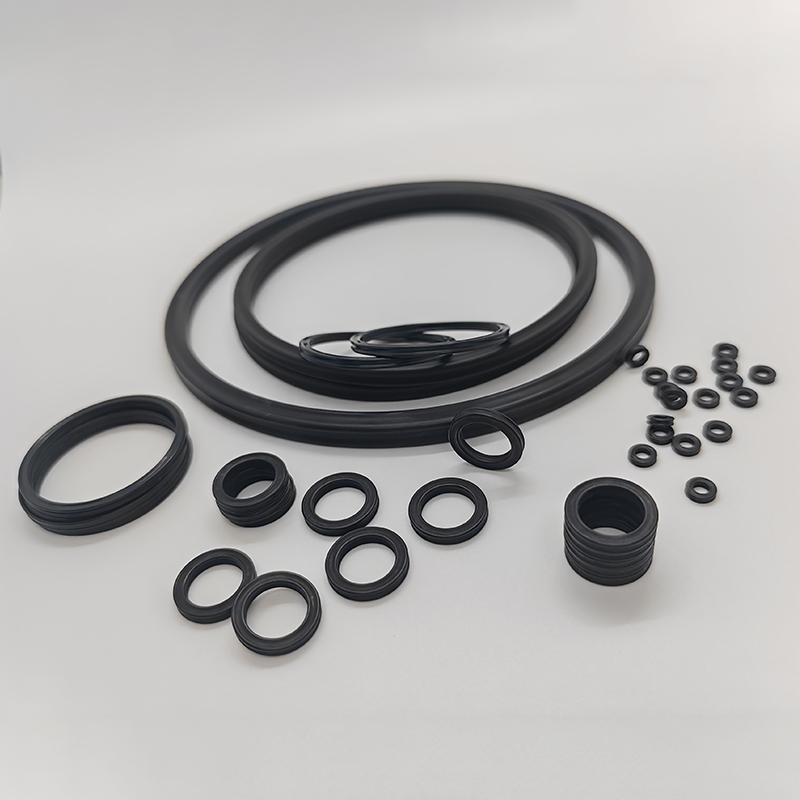
X-Ring
Four-lip sealing profiles for dynamic and static applications requiring low friction and reliable sealing.
- Four-lip profile
- Reduced twisting tendency
- Application-based materials
Products & Solutions
Explore standard and custom sealing options, compare product profiles, and share your working conditions for a focused requirement review.
Core technical guides
Use these guides for detailed material, profile, and RFQ information, then browse the application structure below for the complete range.
Four-lip sealing profiles for dynamic and static applications requiring low friction and reliable sealing.
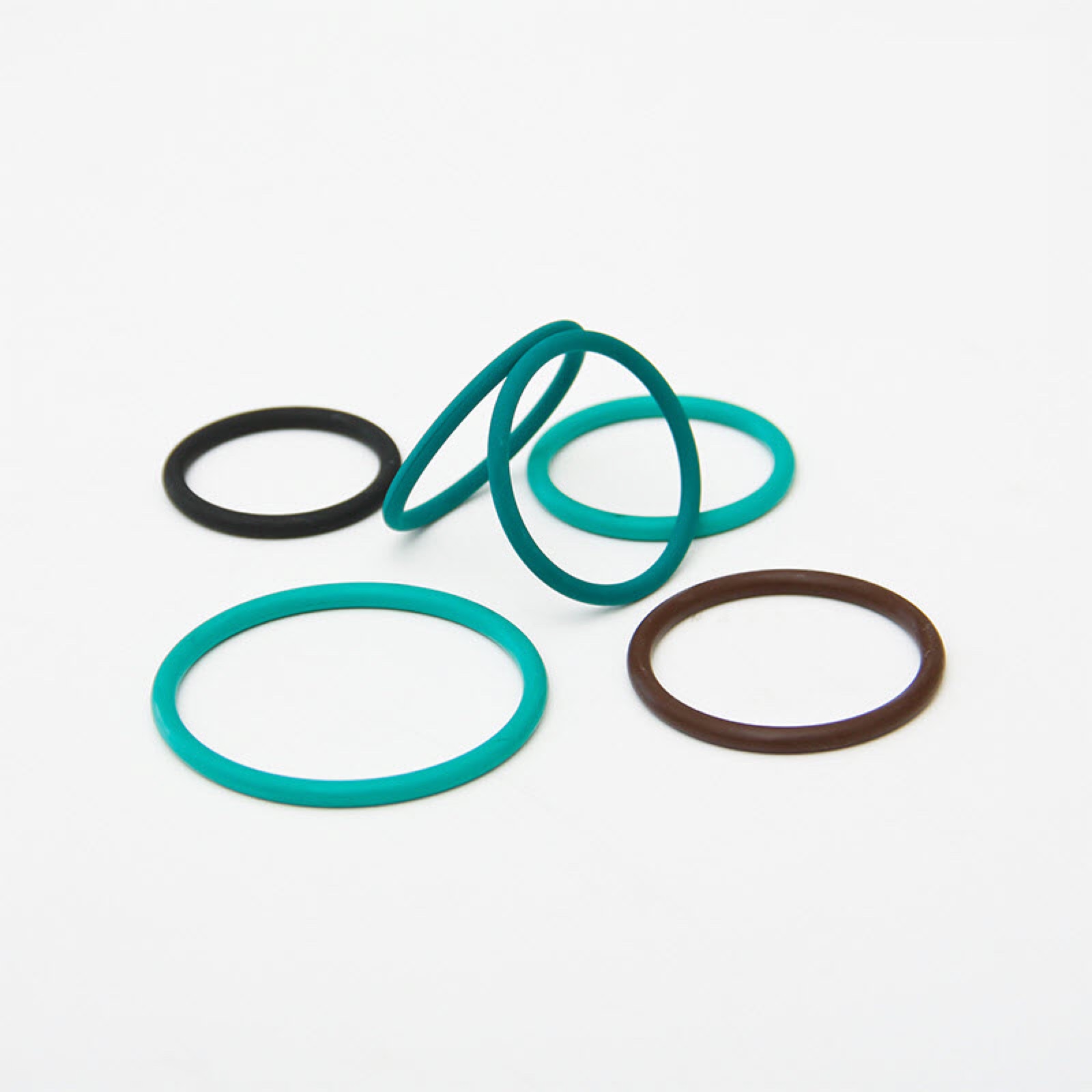
Standard and custom O-rings for fluid, gas, static, and dynamic sealing applications.
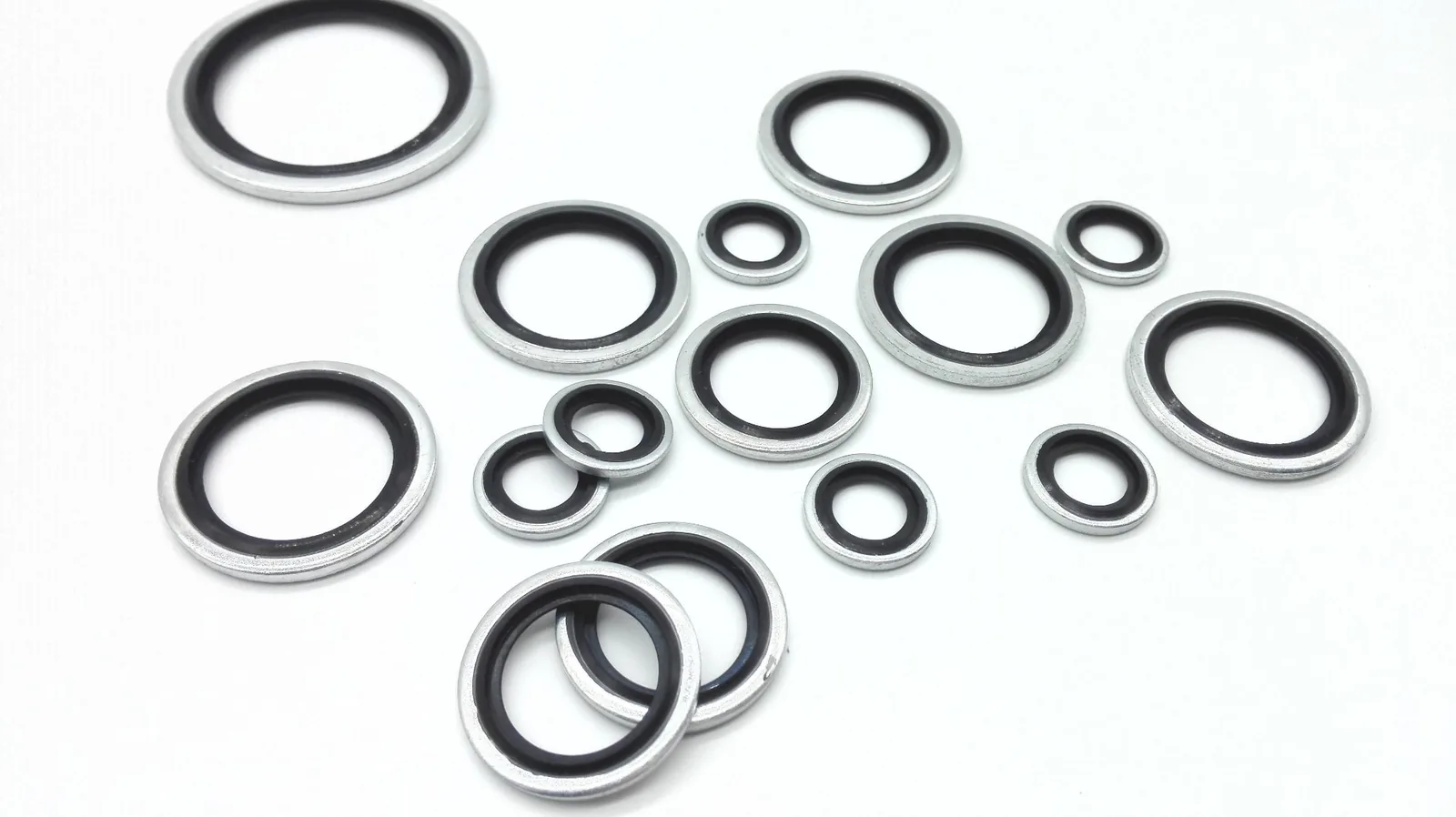
Metal-and-rubber sealing washers designed for threaded connections and high-pressure assemblies.
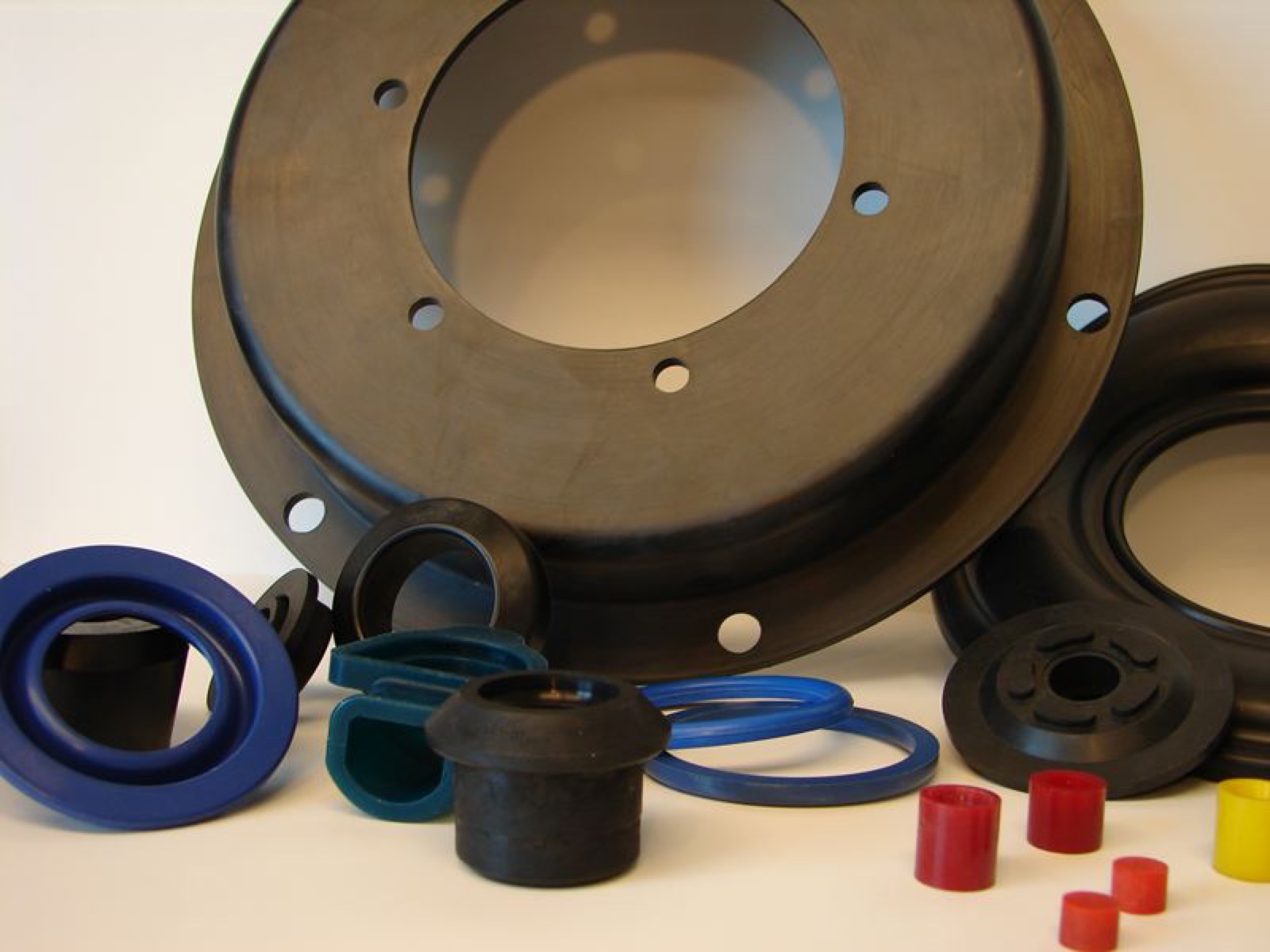
Custom molded rubber parts developed from drawings, samples, and operating requirements.
Browse by application
Browse the complete product range through five clear application groups, with a dedicated page for each product.
Standard and custom sealing products for hydraulic, pneumatic, pump, valve, fitting, reciprocating, and rotating applications.
Browse category →Diaphragms, umbrella valves, and rubber hoses for water and gas control, pressure response, one-way flow, and pump connections.
Browse category →Sealing and cushioning rubber components for bearings, valve cores, lamps, switches, and vehicle electronic assemblies.
Browse category →Sealing gaskets, plugs, and protective components for wire harnesses, dental handpiece connections, and E-Bike interfaces.
Browse category →Tri-Clamp, DIN 11851, and SMS gaskets for hygienic process piping connections.
Browse category →Selection essentials
A seal cannot be selected from appearance or size alone. These four inputs provide the foundation for a more useful review.
List fluids, gases, lubricants, cleaners, and anything else that contacts the rubber.
Provide normal and peak values, including startup, shutdown, and unusual operating cycles.
Explain whether the application is static, reciprocating, rotating, or oscillating and include groove details.
Define critical dimensions, sample needs, testing, acceptance criteria, and expected quantities.
A clear path forward
Clear information early in the project helps align the product, material, dimensions, and validation plan.
Send the product name, drawing or dimensions, application conditions, and quantity.
Confirm the material, hardness, size, tolerances, tooling status, and commercial requirements.
Define samples, inspection dimensions, application tests, and approval criteria where required.
Keep specifications, identification, packaging, and order information consistent for future supply.
Questions & answers
Answers to common questions before choosing a product category or submitting an inquiry.
Share the application, media, temperature, pressure, motion, size or drawing, quantity, and any validation requirements.
Yes. Standard sizes, application-specific dimensions, and custom molded parts can be reviewed from specifications, drawings, or samples.
Sample requirements can be discussed according to the product, tooling status, dimensions, material, and intended validation process.
Provide the complete service conditions. Material selection should consider all media, continuous and peak temperature, pressure, motion, and expected service life.
Requirement review
Include the product, drawing or dimensions, material if known, operating conditions, quantity, and delivery requirements.