O-Ring product guide
O-Ring
Standard and custom O-rings for fluid, gas, static, and dynamic sealing applications.
- Simple, proven geometry
- Broad size coverage
- Material flexibility
Product overview
Understand the Product Before Selecting a Specification
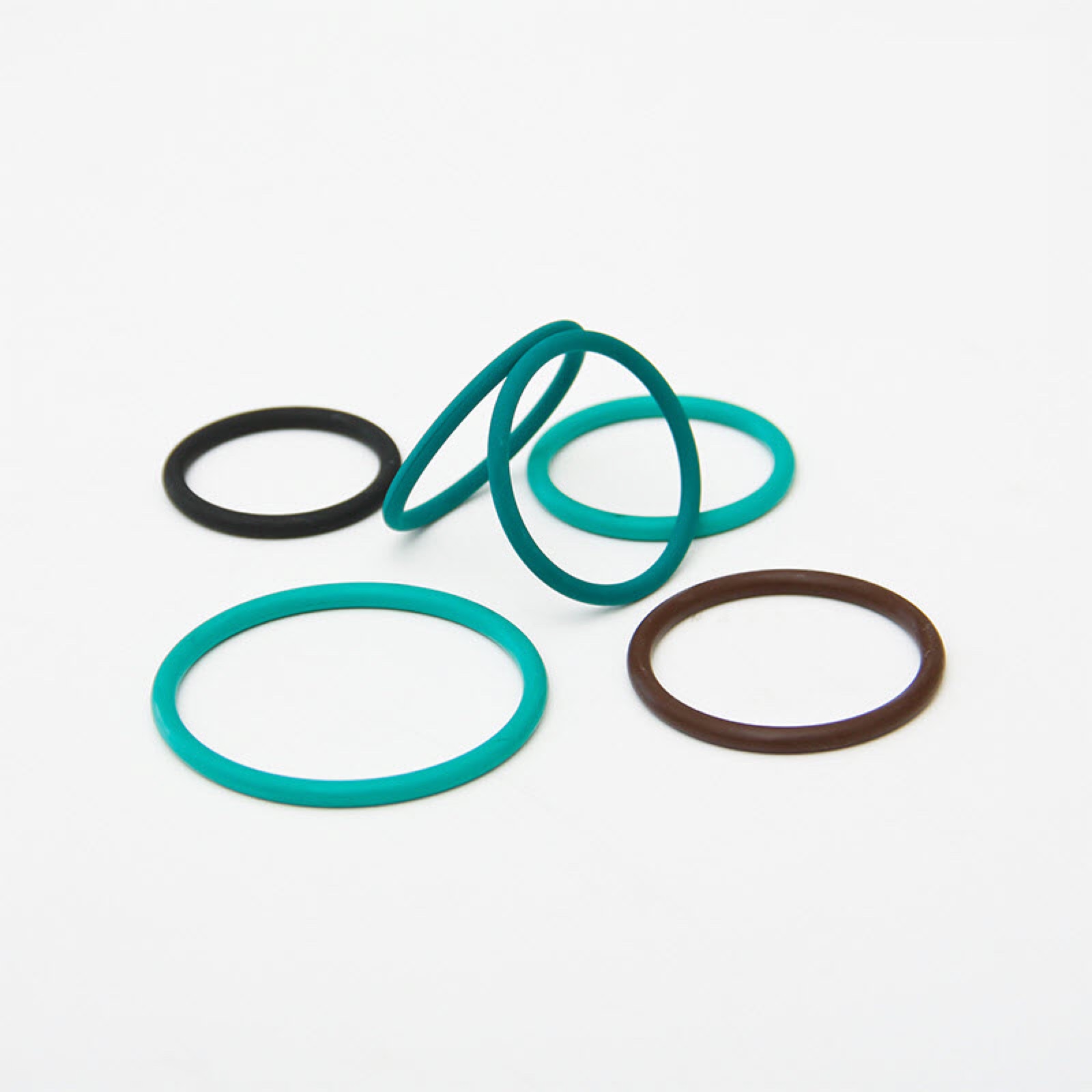
Our O-ring program includes practical material guidance, size confirmation, sampling, and repeat production for varied industrial environments.
Simple, proven geometry
The circular cross-section supports a wide range of static and dynamic sealing arrangements when the groove is designed correctly.
Broad size coverage
Metric, imperial, standard, and application-specific dimensions can be reviewed against the mating hardware.
Material flexibility
Different elastomers can be considered for oils, water, weather exposure, temperature, and chemical environments.
Product scope
Applications, Materials, and Supply Options
Use these categories as a starting point. The final specification depends on the complete application.
Common Applications
- Hydraulic systems
- Automotive components
- Pumps and valves
- General industrial equipment
Material Options
- NBR
- FKM
- EPDM
- Silicone
- HNBR
Supply Capabilities
- Metric and imperial sizes
- Custom compounds
- Color options
- Inspection documentation
Before requesting a quote
Selection Factors for O-Ring
More complete input leads to a clearer product and material discussion.
Size definition
Confirm inside diameter, cross-section, groove dimensions, and applicable dimensional tolerances.
Media compatibility
List every fluid, gas, cleaning agent, or lubricant that may contact the O-ring.
Temperature and pressure
Provide normal and peak values rather than only the nominal operating point.
Assembly conditions
Describe movement, installation method, surface finish, and any risk of extrusion or cutting.
Project workflow
A Practical Review Process
The steps remain clear whether you are identifying a standard part or developing a custom specification.
- 01
Define
Share the product, drawing, dimensions, service conditions, and quantities.
- 02
Confirm
Align the material, hardness, tolerances, tooling, samples, and documentation.
- 03
Validate
Review samples and complete the application-specific approval process.
- 04
Supply
Maintain confirmed specifications and identification for repeat requirements.
Questions & answers
O-Ring Questions
Common questions about selecting and requesting o-ring.
What information is needed to identify an O-ring?
Inside diameter, cross-section, material, hardness, color if relevant, and application conditions provide a useful starting point.
Can you work from an existing sample?
A sample can support identification, but a drawing and confirmed application conditions are preferred for critical dimensions and material selection.
What is the difference between NBR and FKM O-rings?
They differ in temperature range, media compatibility, cost, and other properties. The correct choice depends on the complete service environment.