
Kitchen & Bath
Diaphragms
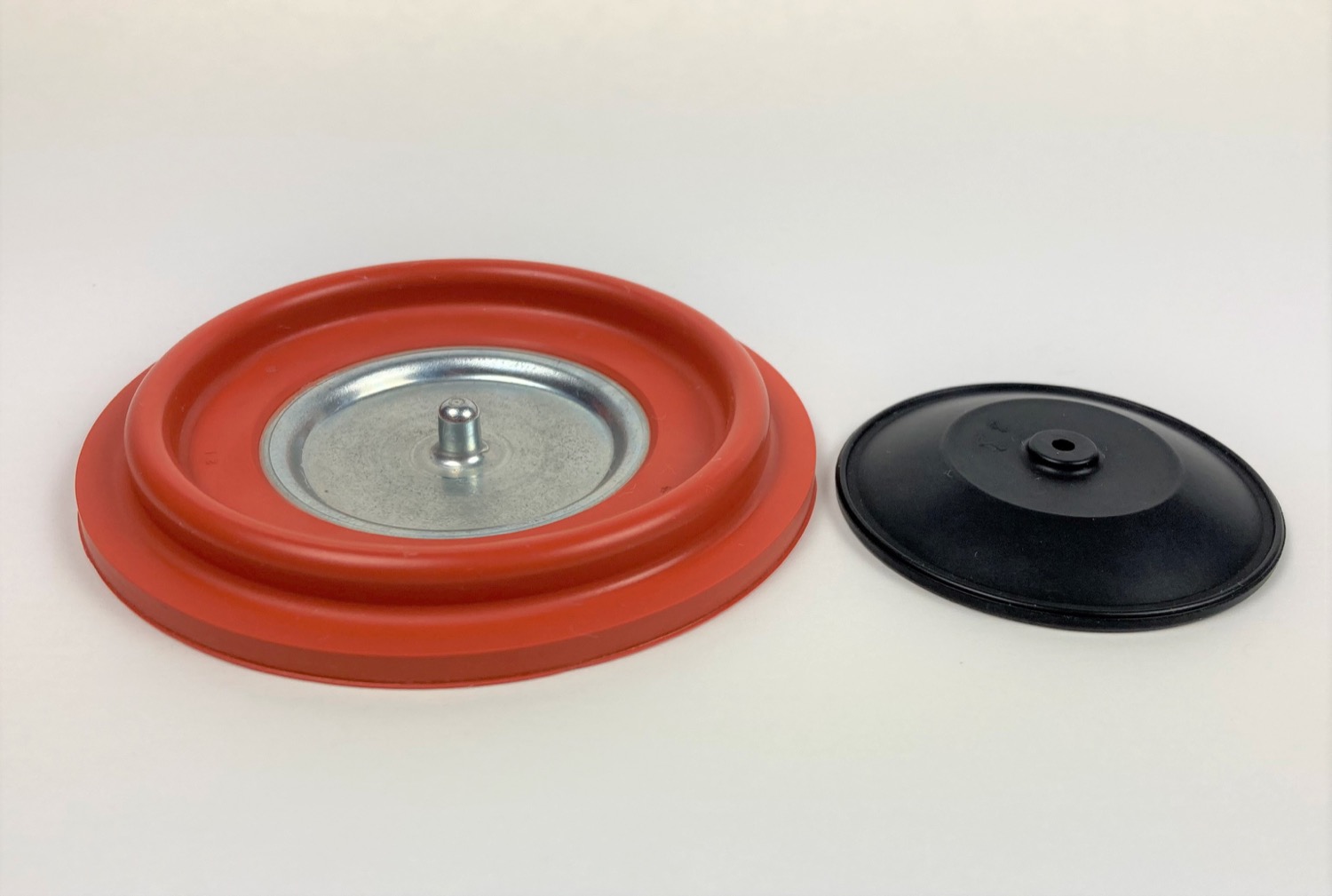
Elastomer diaphragms for water and gas control, pressure response, isolation, and flow regulation.
- Flexible sealing membrane
- Assembly-specific geometry
- Media-driven material choice
Product overview
Understand the Product Before Selecting a Specification
ouning supplies elastomer diaphragms for water and gas control, pressure response, isolation, and flow regulation. Geometry, fabric reinforcement if required, material, and hardness should be confirmed from the assembly drawing and operating conditions.
Flexible sealing membrane
The diaphragm separates media or transmits pressure while flexing in the designed stroke, provided the bead and clamping geometry are correct.
Assembly-specific geometry
Effective diameter, bead, thickness, and any fabric layer should follow the mating housing rather than a generic catalog size.
Media-driven material choice
Water, gas, cleaning agents, and temperature determine whether NBR, EPDM, silicone, or another compound is reviewed.
Product scope
Applications, Materials, and Supply Options
Use these categories as a starting point. The final specification depends on the complete application.
Common Applications
- Water and gas control
- Pressure-response devices
- Isolation and flow regulation
- Kitchen and bath equipment
Material Options
- NBR
- EPDM
- Silicone
- Application-specific compounds reviewed against the service conditions
Supply Capabilities
- Drawing and sample review
- Tooling development
- Prototype samples
- Batch production
Before requesting a quote
Selection Factors for Diaphragm
More complete input leads to a clearer product and material discussion.
Technical files
Provide a dimensioned drawing of the diaphragm and housing. A sample helps explain shape but does not replace critical dimensions.
Media and pressure
List fluids or gases on each side of the diaphragm, plus working and peak pressure or vacuum.
Stroke and cycle life
State the required flexing stroke, operating frequency, and expected service life.
Project quantities
Share sample quantity, order quantity, material preference, hardness, and color if relevant.
Project workflow
A Practical Review Process
The steps remain clear whether you are identifying a standard part or developing a custom specification.
- 01
Define
Share the product, drawing, dimensions, service conditions, and quantities.
- 02
Confirm
Align the material, hardness, tolerances, tooling, samples, and documentation.
- 03
Validate
Review samples and complete the application-specific approval process.
- 04
Supply
Maintain confirmed specifications and identification for repeat requirements.
Questions & answers
Diaphragm Questions
Common questions about selecting and requesting Diaphragms.
Can a diaphragm be quoted from a sample?
A sample can explain shape and fit. A drawing with thickness, bead, and housing dimensions is still preferred for tooling and material review.
Do you supply fabric-reinforced diaphragms?
Reinforcement can be reviewed when the drawing or application requires it. Send the construction details and operating pressure with the inquiry.
Which material is used for water service?
EPDM and silicone are often reviewed for water. The final choice depends on temperature, any gas or cleaner contact, and the complete assembly.